
Child Therapy for School Difficulties in Santa Monica & Los Angeles
School difficulties in children rarely have a single, simple cause. A child who is struggling academically, refusing to attend school, acting out in class, or withdrawing from learning may be dealing with anxiety, depression, learning differences, social difficulties, family stress, or some combination of these and understanding what is really driving the behavior is essential to helping.
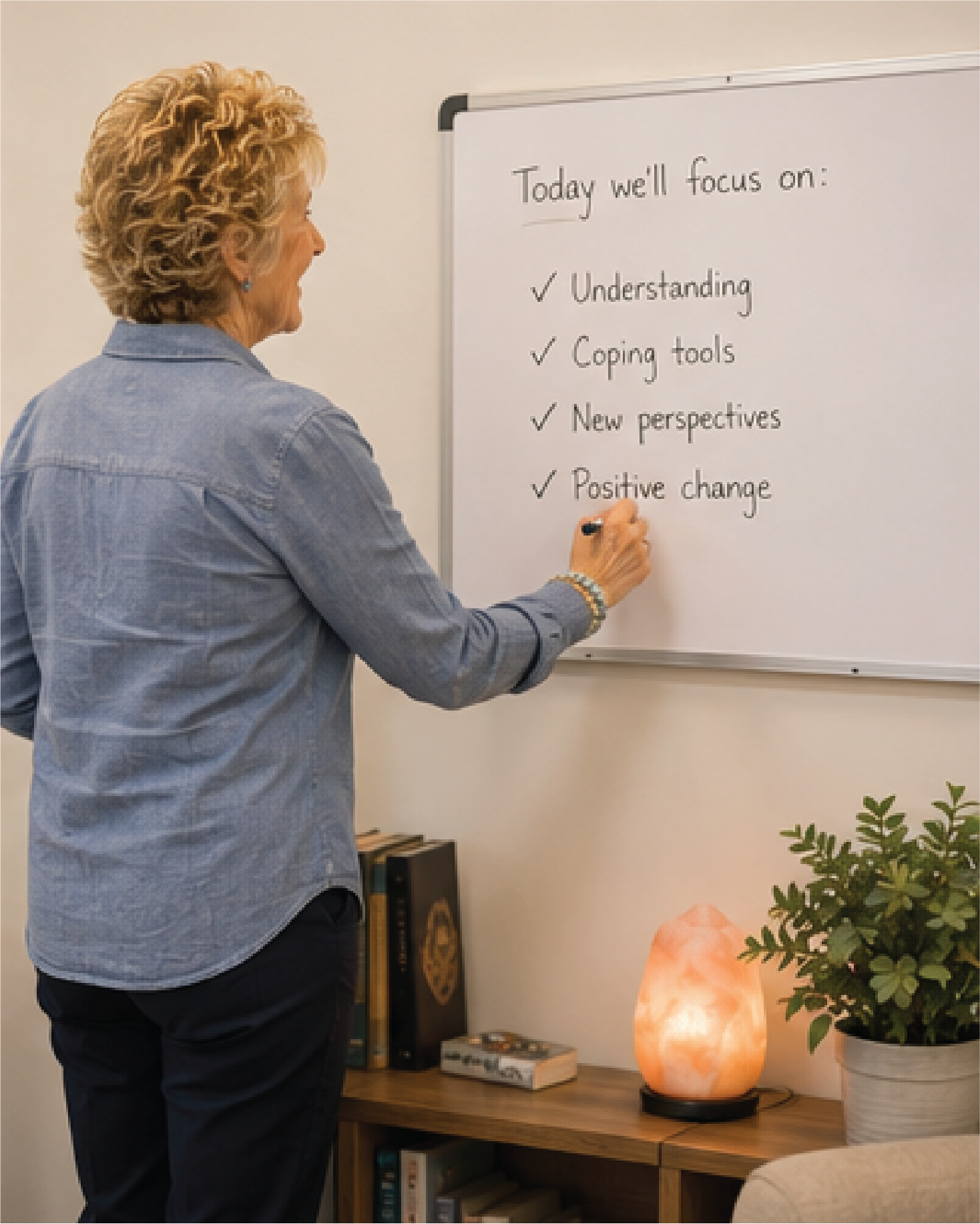
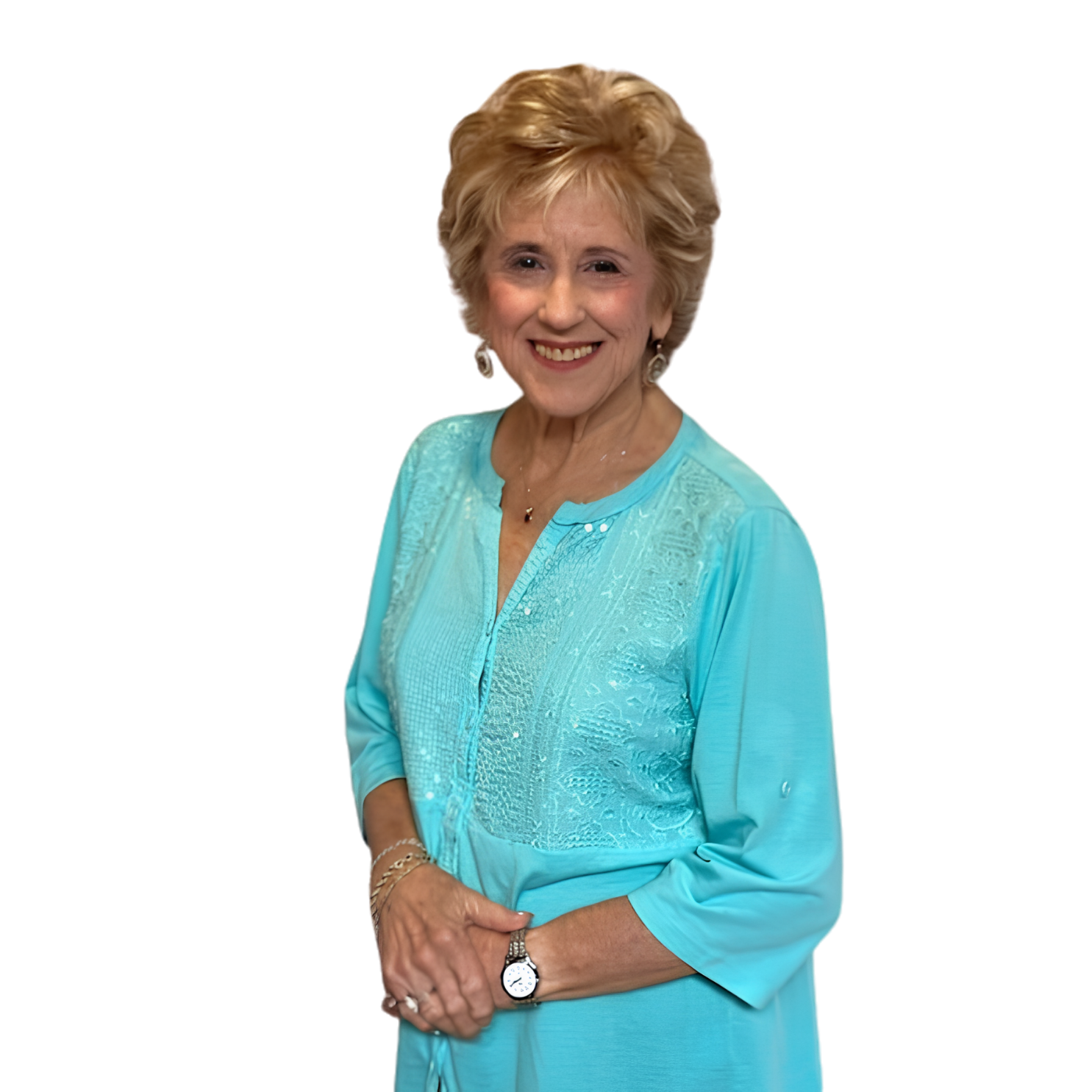
Dr. Sally Hackman, PhD, MFT, brings decades of experience in both educational settings and child psychotherapy to her work with children facing school difficulties in Santa Monica and Los Angeles. This gives her unique set of skills in both therapy and a depth understanding of school life and how to best work wirh the administration and teaches as well as with the parents. She works closely with parents and, when appropriate, with school staff to create coordinated support for the child.
What Is Actually Being Avoided
I don’t want to go” is almost never the whole answer, and the specific reason decides the approach.
Separation From a Parent
Common in younger children and often missed in older ones. The fear is not about school at all, it is about being away from a parent, or about something happening at home while they are gone. Look for a child who is also reluctant at bedtime, sleepovers, or being left with anyone.
Something Specific at School
Frequently narrower than it appears. A particular teacher, PE, the lunch hall, changing rooms, the corridor between lessons, a bathroom they will not use. Children rarely volunteer these details because they sound small when said aloud.
Social Fear
Being watched, called on, eating in front of people, walking into a room late. For some children the academic day is fine and everything around it is unbearable.
Low Mood
A depressed child has little capacity for a demanding day. Refusal that comes with withdrawal from friends, changed sleep, and loss of interest in things they used to enjoy is usually mood rather than fear.

Why It Gets Worse Each Day
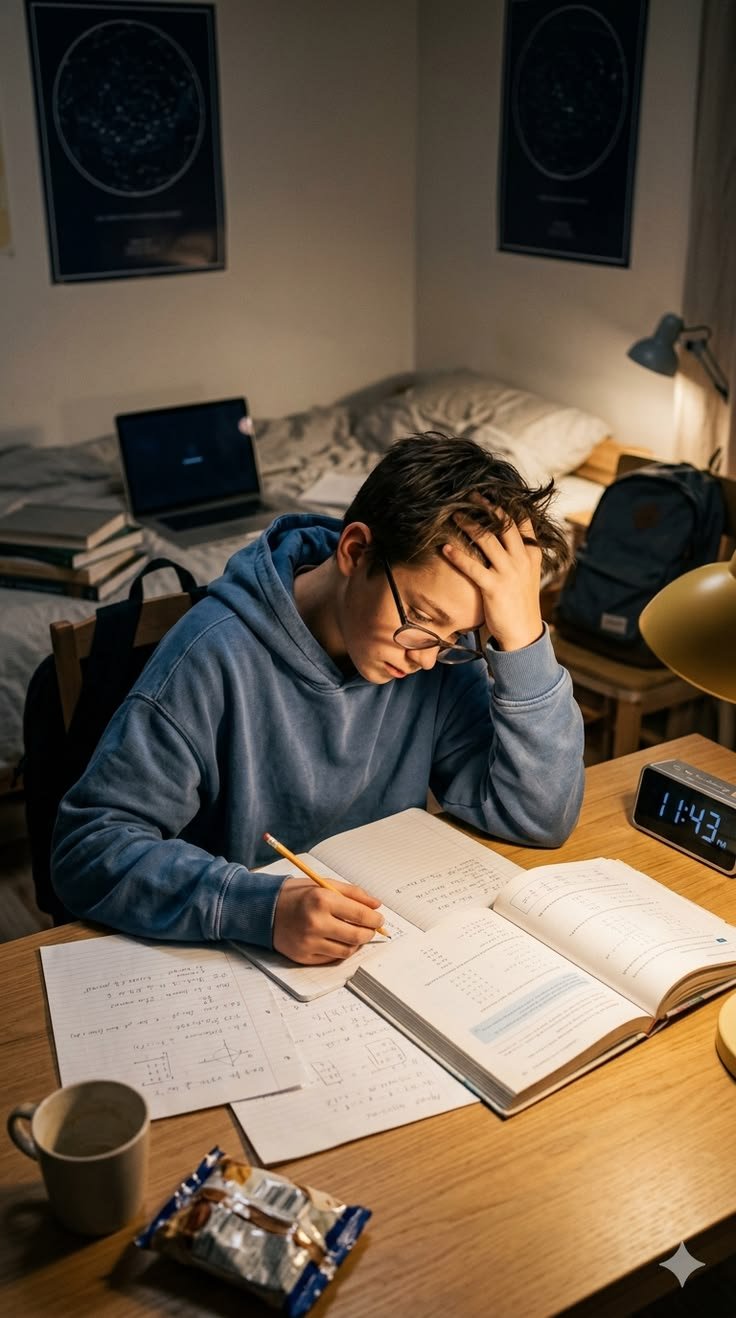
Every missed day makes the next one harder, and this happens predictably. Staying home brings immediate relief, which teaches the brain that staying home works. It also adds new problems: missed work to catch up on, a friendship group that has moved on, and the dread of walking in after an absence with everyone noticing. After a couple of weeks a child is no longer avoiding the original problem. They are avoiding the return. This is why early action matters more here than in almost any other childhood difficulty. A week is manageable. A term is a different situation entirely.
How Therapy Helps
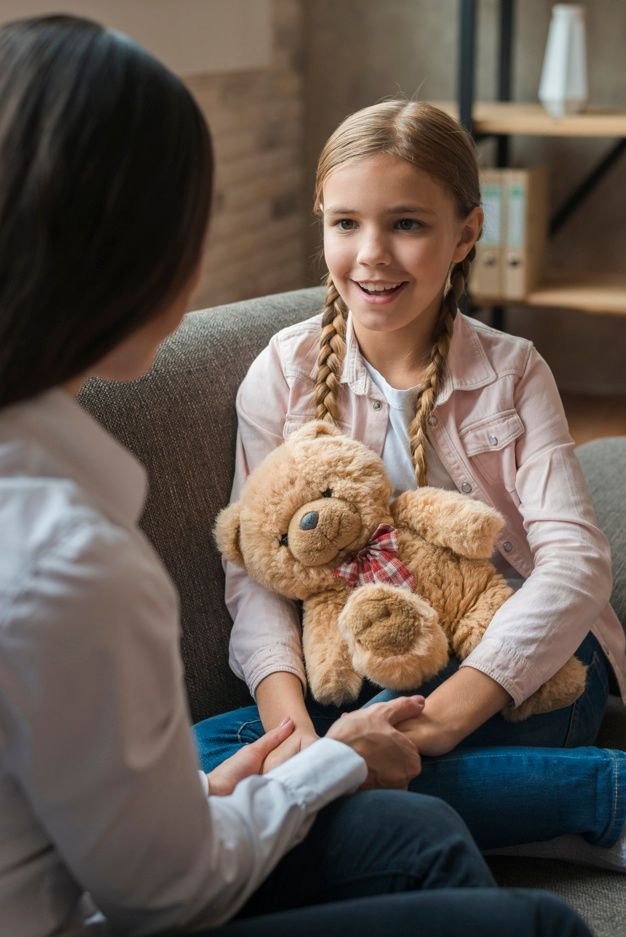
The first job is working out what is actually being avoided, which usually takes a few sessions and a separate conversation with parents about what mornings look like. From there the work is practical. Understanding what the body is doing and why it is not dangerous. Testing what your child expects will happen against what does. And returning in graded steps rather than one leap sometimes a partial day, a particular lesson, or the building without the classroom, agreed with the child rather than imposed. Dr. Hackman works closely with parents throughout, because what happens at seven in the morning matters more than what happens in the session.
Working With the School
School refusal is rarely resolved without the school involved. With your permission, Dr. Hackman can speak with teachers or counselors about a graded return a reduced timetable, a named adult to check in with, somewhere to go when it becomes too much, or a different way of arriving. She can also help you prepare for meetings, including where an assessment or formal accommodations may be worth requesting. Schools vary widely in how they respond, and going in knowing what to ask for makes a real difference.
What Parents Can Do Tomorrow Morning
A few things help immediately. Keep the morning brief. Long negotiations give anxiety more time to build. Decide the plan the night before and keep the conversation short. Make home boring. Not as punishment but a day at home with screens and company is more appealing than a school day, and that gap makes tomorrow harder. Aim for something rather than nothing. Twenty minutes in the building counts. A full day or nothing is a standard most anxious children cannot meet. And say what is going to happen rather than asking. “We’re leaving at eight” is easier for an anxious child than “are you going today?”

Key Points
Guiding You Toward Emotional Wellness.

Empowering Resilience
Help your child understand and manage the emotional and psychological factors affecting their school experience — and build the confidence to approach learning with more ease.

Healing Space
A private, safe therapeutic space — separate from the pressures of school — where children can express what school really feels like without fear of judgment or consequence.

Transformative Support
Dr. Hackman's background as an elementary school teacher and Master Teacher for the UCLA teacher training program gives her a uniquely grounded understanding of school systems and what children genuinely need to thrive in them.
When to Get Help Without Waiting
School refusal is one of the few childhood difficulties where waiting reliably makes things worse. Speak to someone promptly if your child has missed more than a few days, if the pattern has lasted more than two weeks, if they are withdrawing from friends as well as school, if their sleep or eating has changed, or if their mood has dropped alongside it. If your child says anything that worries you about hurting themselves, contact your pediatrician, or call or text 988 the Suicide and Crisis Lifeline rather than waiting for an appointment.
Arranging a First Conversation
The first step is usually a conversation with a parent, before your child is involved. If mornings have become difficult, that is worth raising sooner rather than later. Dr. Hackman works with children and teenagers from Santa Monica, Brentwood, Pacific Palisades and West Los Angeles.
Call (747) 243-4897
0
+
Years of Child Therapy Experience
0
Serving Santa Monica Continuously
0
%
Confidential — Always
0
$
First Session Free If You Don't Return
FAQs
Common Questions
The difference is where they go and how they feel. A child truanting goes somewhere more appealing and conceals it. A child refusing out of anxiety stays home, where you know exactly where they are, and is usually distressed rather than pleased about it. The two need opposite responses.
Force alone usually confirms the fear, but complete accommodation makes it worse. The approach that works is a graded return agreed in advance a partial day, a specific lesson, or the building without the classroom alongside working on the fear itself. Dr. Hackman can help you set those steps.
They usually are real. Anxiety produces genuine physical symptoms, which is why children are not lying about them. It is still worth a pediatrician ruling out a medical cause, particularly if symptoms also appear at weekends and holidays. When they appear only on school mornings, anxiety is the more likely explanation.
With your permission, yes. Dr. Hackman can work with teachers or counselors on a graded return plan and help you prepare for meetings about accommodations or assessment.
That is a related but different difficulty. Where the issue is grades, homework or concentration rather than getting through the door, the academic difficulties page has more detail.