
Grief Counseling in Santa Monica & Los Angeles
Grief is one of the most profound human experiences and one of the most misunderstood. Whether you are mourning the death of someone you love, the end of a relationship, the loss of a job, health, or a version of yourself you expected to become, grief deserves to be taken seriously and worked through with care.
Grief does not follow the shape people expect it to. It comes in waves rather than stages. It arrives months later, in a supermarket aisle, over something small. It sits quietly for weeks and then takes a whole day. Most people come to therapy not because they are grieving, but because grief is not behaving the way they were told it would and they have started to wonder whether something is wrong with them. Usually nothing is.
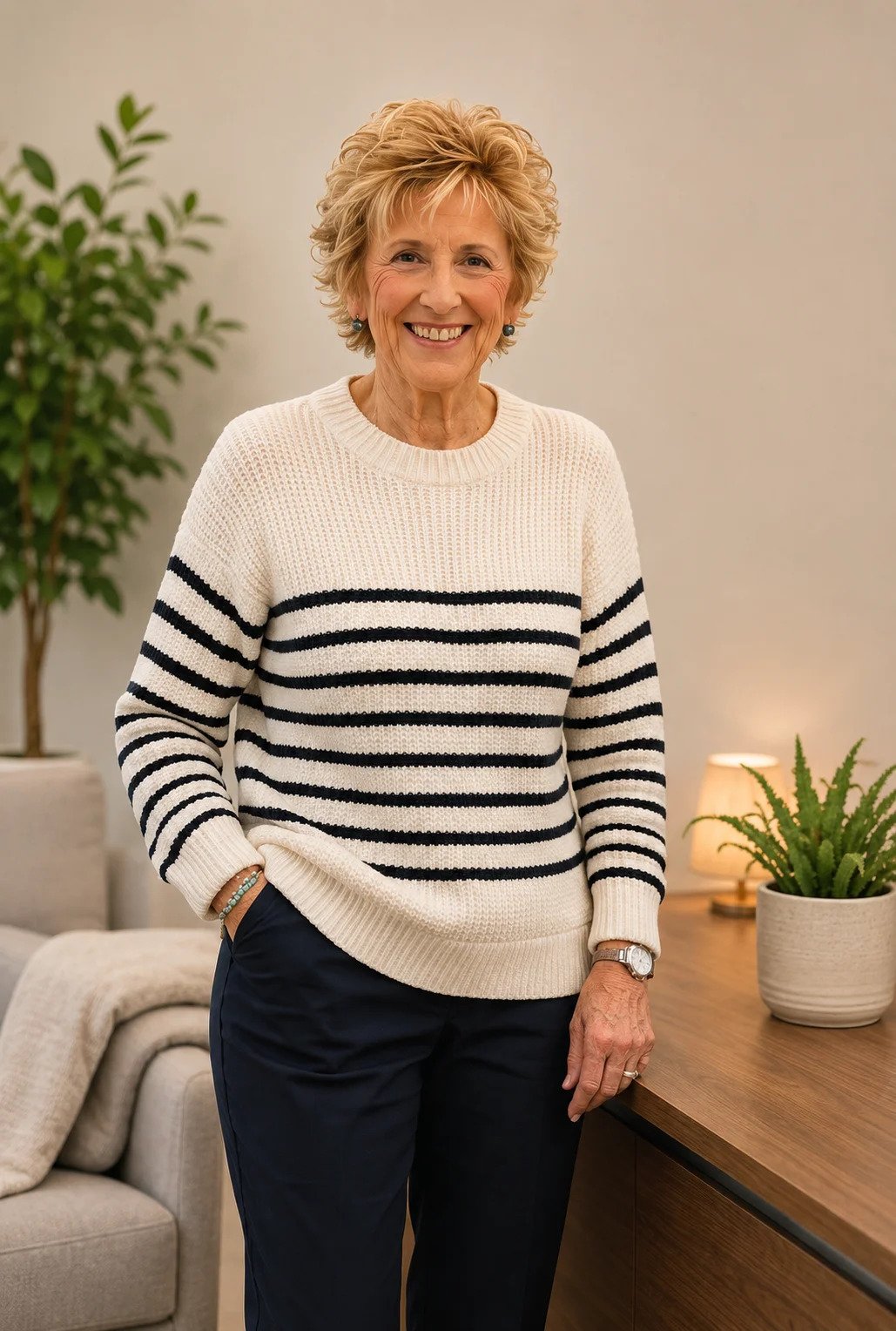
Dr. Sally Hackman, PhD, MFT, offers compassionate grief counseling and loss therapy in Santa Monica and throughout Los Angeles. She creates a safe space where you can honor your grief, understand its roots, and slowly rebuild meaning at your own pace, never rushed.
The Stages Are a Myth
Almost everyone has heard of the five stages of grief. Denial, anger, bargaining, depression, acceptance.
It is worth knowing where that came from. Elisabeth Kübler-Ross described those stages in people who were dying not in the people left behind. They were never intended as a map for bereavement, and decades of research since has not found that grief moves through fixed stages in order.
This matters because the model has done real harm. People measure themselves against it and conclude they are grieving wrongly. They wait for acceptance to arrive like a destination. They wonder why anger came back after they thought they had finished with it. Grief is not a sequence to complete. It is something that changes shape over time and never entirely leaves.
What Grief Actually Does
Some of it is expected. Sadness, missing them, crying at things that should not matter. Much of it is not. Grief is physically exhausting many people are surprised by how tired they are, for how long. It affects concentration and memory; people forget appointments, lose words mid-sentence, read the same page four times.
It can bring relief, which then brings guilt. It can bring anger at the person who died. It can make you irritable with the people trying hardest to help. And it can make you feel further from others precisely when you are surrounded by them.

Losses That Are Not Recognised
Some losses come with a funeral, time off work, and people asking how you are. Others do not. The death of an ex-partner. A friend rather than family. A pet. A pregnancy. A parent you were estranged from. A colleague you saw every day for fifteen years. Grief that is not socially acknowledged is often harder to carry, because there is now here to put it. People go back to work the next day and say nothing.
There is also loss without death a diagnosis that ends a version of the future, a marriage that ended, a friendship that faded, a career that stopped. These are real losses, and they grieve like losses.
Grieving Someone Who Is Still Here
Anticipatory grief begins before the death. Families living with a terminal diagnosis, or with dementia, often grieve for years and then feel they have no right to, because the person is still alive. With dementia it is harder still. The person is present and gone at the same time, and each visit can bring a fresh version of the loss. This kind of grief is exhausting in a particular way, and it does not shorten what comes after. People who grieve in advance still grieve afterwards.
When Grief Gets Stuck
Most grief, however painful, moves. For a smaller number of people it does not. A year or more after the death, the intensity has not changed. Daily life has not resumed. There is persistent yearning, difficulty accepting the death, or avoidance of everything connected to it. This is now recognised clinically as prolonged grief disorder, and it responds to treatment. It is not a failure of character or of love.
It is worth speaking to someone if the loss was more than a year ago and little has shifted, if you are unable to return to work or relationships, if you are avoiding all reminders, or if you feel life has no purpose without them.
What Therapy Actually Does
Therapy does not speed grief up, and anyone who promises that is selling something. What it offers is somewhere the grief can exist without being managed. Most people find that friends and family, with the best intentions, need them to be getting better. Conversations become performances of coping. A session is different there is nothing to protect anyone from, and no timeline to meet. The work usually involves understanding what this particular loss meant, which is rarely simple.
Relationships are complicated, and grief for a difficult parent looks nothing like grief for a straightforward one. Where there is guilt or unfinished business, that is examined rather than reassured away. And gradually the work turns toward what a life looks like now not moving on, which nobody wants, but continuing.

Key Points
Guiding You Through Loss.

Empowering Resilience
Grief therapy with Dr. Hackman helps you understand your loss in the context of your whole life including past losses that may be resurfacing so that the grieving process leads to genuine healing rather than just time passing.

Healing Space
A truly safe, confidential space in person in Santa Monica or via Zoom where your grief is never minimized, and you are never told how long you should feel this way.

Transformative Support
Dr. Hackman draws on psychoanalytic insight, attachment theory, and relational approaches to help you process loss, manage strong emotions, and rediscover a sense of meaning and forward movement.
When to Reach Out Sooner
Some situations warrant not waiting. Speak to someone promptly if you are unable to function at work or at home weeks after the loss, if you are drinking or using substances to get through, if you are isolating from everyone, if the death was sudden, violent or by suicide, or if you are not sleeping at all.
If you have thoughts of harming yourself or of not wanting to be here, call or text 988 the Suicide and Crisis Lifeline rather than waiting for an appointment. It is available at any hour.
Arranging Conversation
There is no right time to start. Some people call within weeks, others years later when something brings it back.
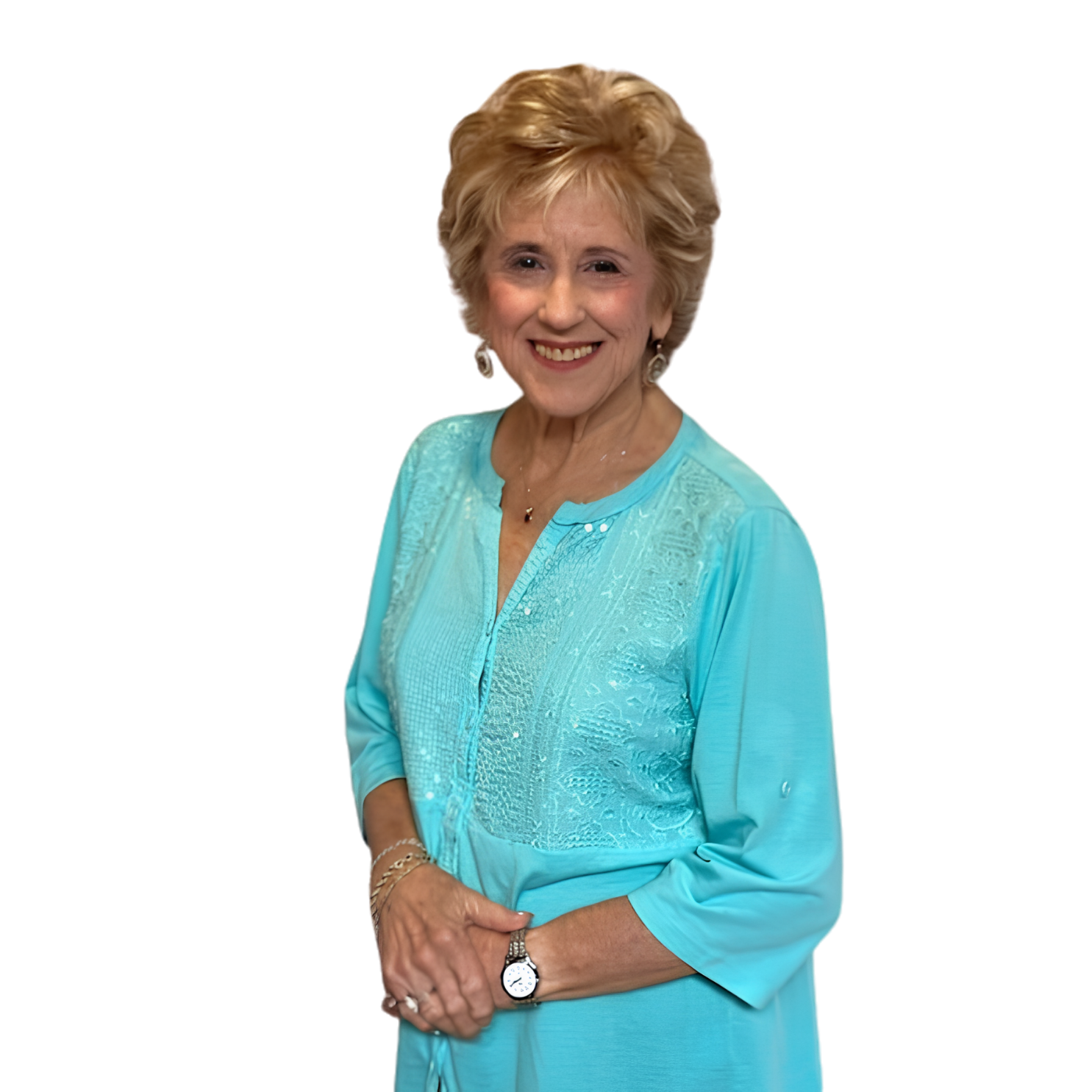
Dr. Hackman has been a licensed marriage and family therapist since 1992 and works with adults from Santa Monica, Brentwood, Pacific Palisades and West Los Angeles.
Call (747) 243-4897
0
+
Years Supporting Clients Through Loss
0
Serving Santa Monica Continuously
0
%
Confidential — Always
0
$
First Session Free If You Don't Return

FAQs
Common Questions
Grief counseling focuses specifically on processing loss and the emotions, beliefs, and life disruptions that follow. It often connects to deeper therapeutic work around identity, attachment, and meaning — which is where Dr. Hackman's depth of training is particularly valuable.
There is no correct timeline. Grief is deeply personal and influenced by the nature of the loss, your history, and your support system. Dr. Hackman works at your pace — not toward a deadline.
Absolutely. Dr. Hackman works with clients grieving divorce, serious illness, career loss, the end of a life chapter, estrangement from a child or parent, and many other forms of loss that are often unacknowledged by the world around us.
Yes. Grief shows up any time something significant ends a divorce, estrangement from a family member, a friendship that faded, even the loss of a future you'd been picturing. These losses are often minimized because there's no funeral or clear marker for them, but they can be just as disorienting, and they deserve the same space.
Not necessarily. That feeling usually says more about outside pressure your own expectations, or messages from people around you than about whether your grief is progressing normally. Grief doesn't resolve on a schedule, and continuing to feel its presence doesn't mean something's wrong; it often just means the loss mattered.