

About Depression, Anxiety, and Mood Changes
Child Anxiety and Depression Therapy in Santa Monica & Los Angeles
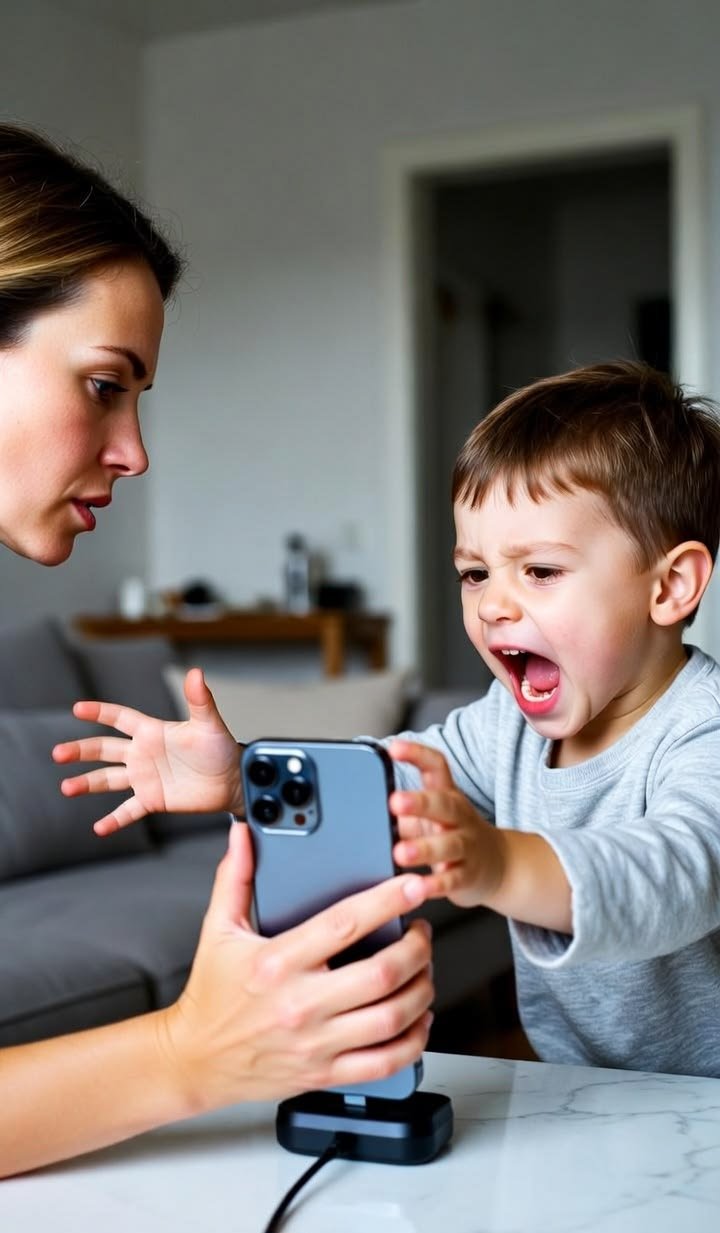
Anxiety and depression in children often look different than they do in adults. A child with anxiety might refuse to go to school, cling to a parent, or complain of stomachaches before events. A child with depression might become irritable rather than sad, lose interest in play, or withdraw from friends. Recognizing anxiety in children and understanding what’s driving the behavior is the first step to helping.
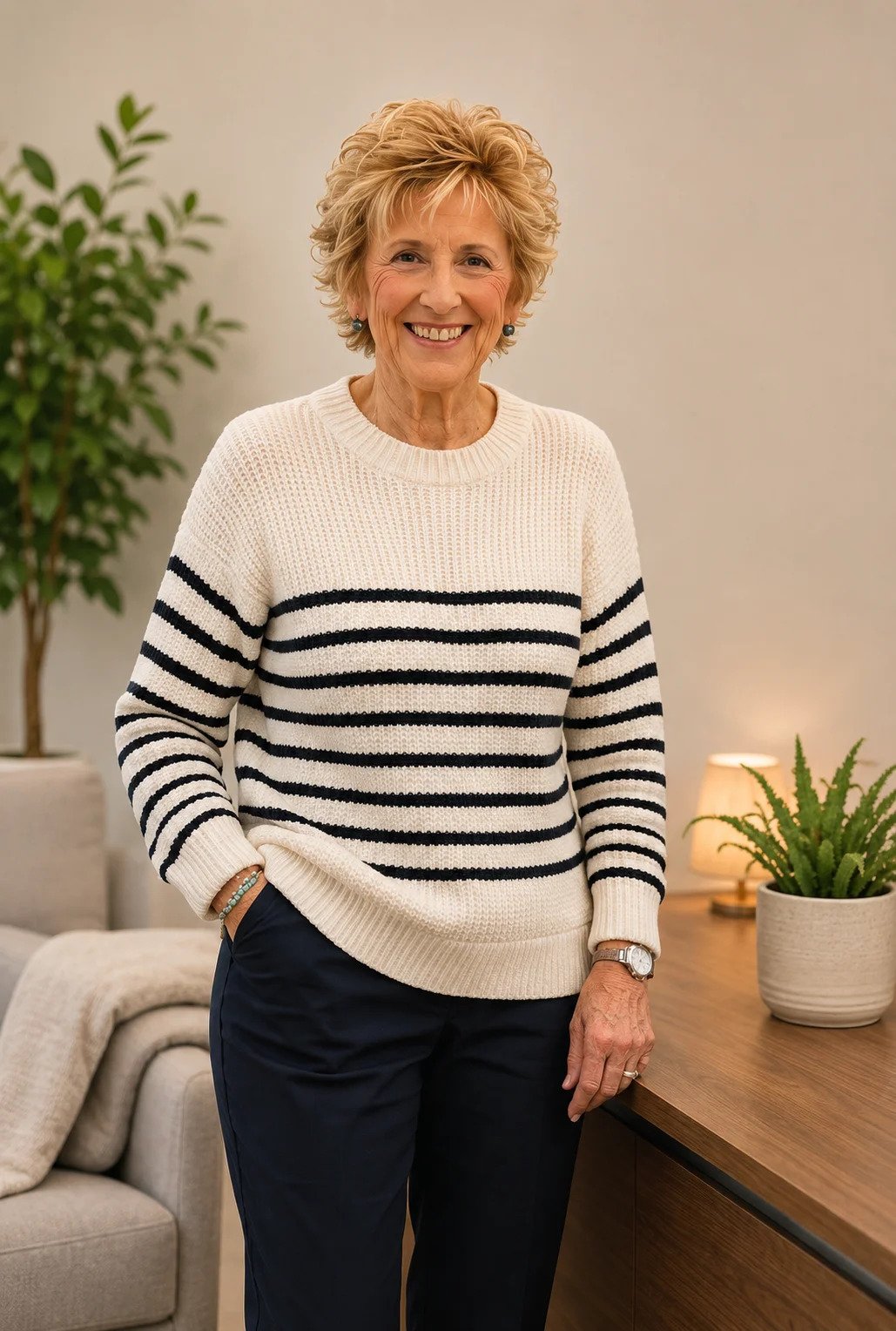
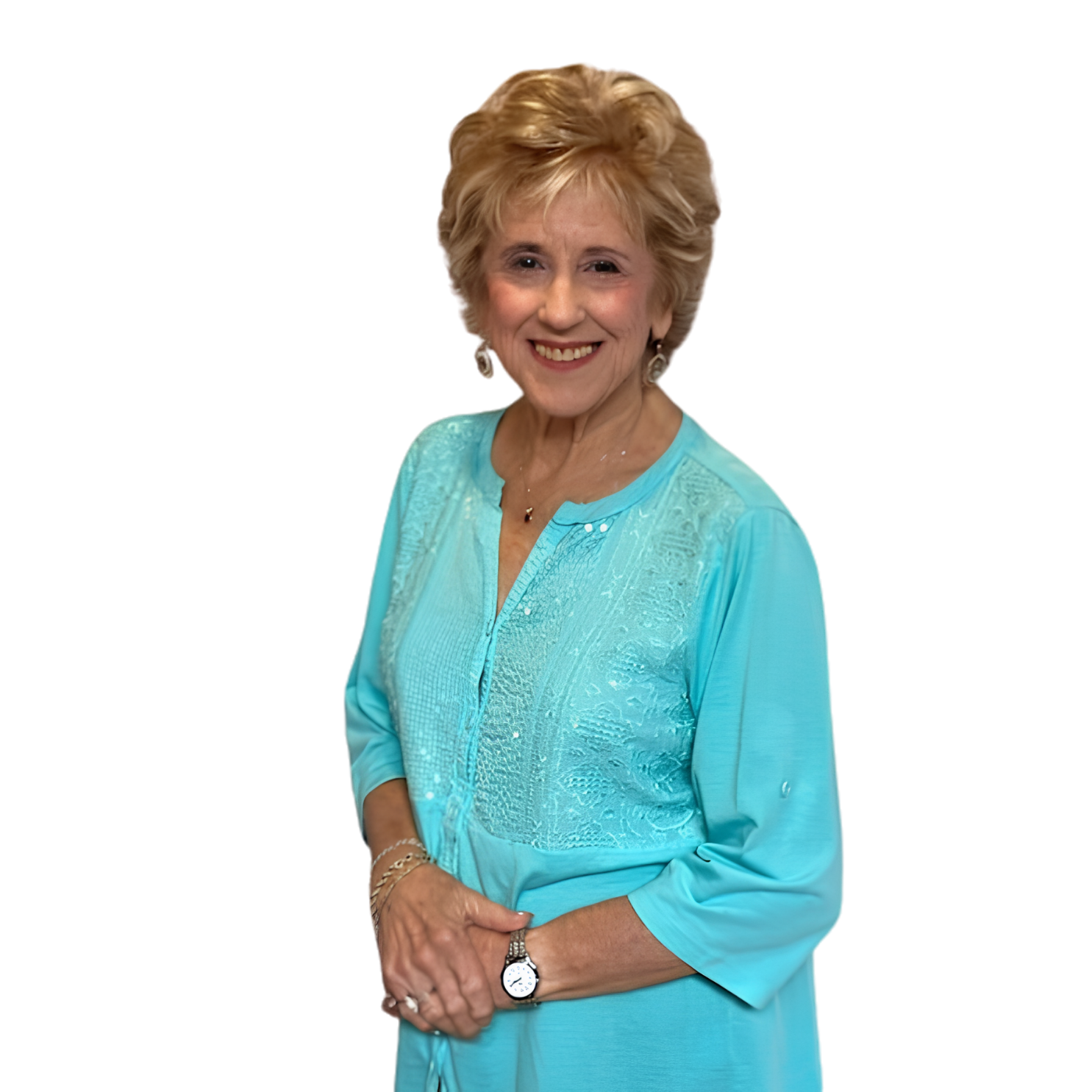
Dr. Sally Hackman, PhD, MFT, has specialized in childhood anxiety, depression, and mood changes for over 35 years in Santa Monica and Los Angeles. She works directly with children to help them understand and process their feelings using age-appropriate, child-friendly approaches that make therapy feel safe and even enjoyable.
Dr.Hackman facilitates the child’s comminication through their art and play, giving words to what they are expressing as well as helping them understand the feelings neneath their behaviour.
What Depression Looks Like in Children
Depression in children rarely looks the way adults picture it. It often shows as irritability rather than sadness. A child who snaps at everything, who seems angry most of the time, may be low rather than difficult. It also shows as not caring. Dropping activities, losing interest in friends, going through the day without much reaction to anything good or bad. Physical complaints are common too stomach aches, headaches, tiredness that sleep does not fix. Younger children in particular feel it in the body before they can name it as a feeling.
And it shows in what a child says about themselves. “I’m stupid.” “Nobody likes me.” “What’s the point.” Said once, that is a bad day. Said repeatedly, it is a belief settling in.
How It Changes With Age
Younger Children
Under about eight, the signs are mostly physical and behavioural. Clinginess, tantrums that seem too big, refusing to separate, sleep problems, stomach aches with no medical cause. Young children do not report feeling sad; they show it.
School-Age Children
Between eight and twelve, children can name feelings but often will not. Many hide it, particularly from parents they can see are already worried. Watch for a drop in school performance, withdrawal from friends, and harsh statements about themselves.
Teenagers
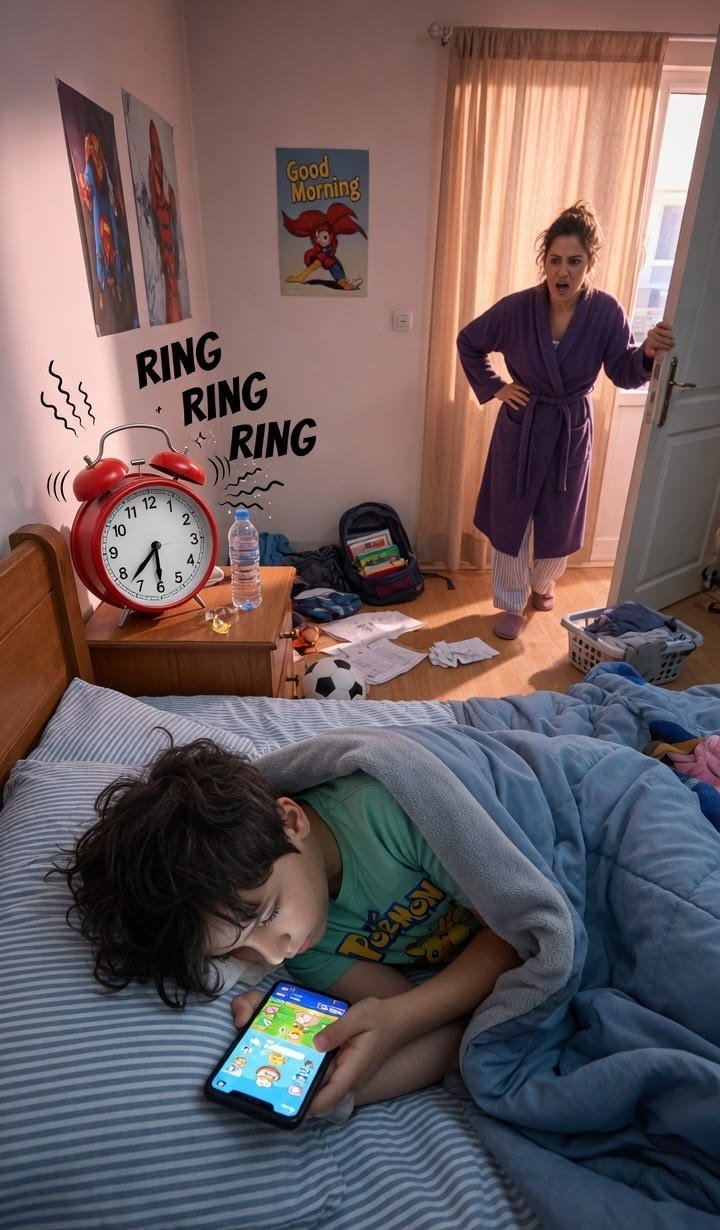
In adolescence it looks closest to adult depression, but with more irritability and more risk. Withdrawal into a bedroom, reversed sleep, loss of interest, and sometimes a flat quality where nothing seems to register. Teenagers also hide it more effectively than younger children.
What Is Ordinary and What Is Not
Every child has low weeks, and this is worth holding onto before worrying. What suggests more is duration a change that has lasted more than a few weeks rather than a few days. Spread matters too: a difficulty that shows at home, at school and with friends is different from one that shows in a single place. Function matters most. If your child is still doing the things they normally do, eating and sleeping roughly as usual, and still has some good days, that is a different picture from a child who has stopped.
How Therapy Helps
The first sessions are about finding out what is actually happening, which is not always what brought a family in. With younger children this happens largely through play, because that is where a child can show what they cannot describe. With teenagers it is more direct, though it still starts with being heard rather than assessed. The work usually covers naming what is happening, separating fact from the interpretation that has grown around it, and rebuilding engagement often by starting with something small rather than waiting to feel better first.
Dr. Hackman also meets with parents separately. How a family responds
between sessions matters as much as the sessions themselves.
Key Points
Expert Support for Your Child's Mental Health.

Empowering Resilience
Dr. Hackman helps children develop an emotional vocabulary, understand their own feelings, and build the coping skills needed to manage anxiety and depression effectively.

Healing Space
A warm, child-friendly environment — in person in Santa Monica — where children feel genuinely safe, never judged, and free to express themselves in the ways that come naturally to them.

Transformative Support
Dr. Hackman maintains regular parent consultations alongside child therapy — so parents understand what is happening and know how to support their child at home.
What Parents Can Do
A few things help. Take what they say seriously without arguing with it. “That sounds really hard” reaches further than “that’s not true,” and keeps the conversation open. Keep routines steady. Sleep, meals and some structure to the day are not a cure, but a child whose routine has collapsed gets worse faster. Do not require them to cheer up. Pressure to feel better is still pressure, and it teaches them to perform being fine. And protect one thing they still enjoy, even if it is small. That is usually the easiest place for recovery to start.
When to Get Help Without Waiting
Some situations should not wait to see whether they pass. Speak to someone promptly if the change has lasted more than a few weeks, if your child has withdrawn from friends and activities, if their eating or sleeping has changed noticeably, if school has declined sharply, or if they have said anything at all that worries you about hurting themselves. If you are concerned about your child’s immediate safety, contact your pediatrician, or call or text 988 the Suicide and Crisis Lifeline rather than waiting for an appointment. It is available around the clock and parents can call about their child.
0
+
Years of Child Therapy Experience
0
Serving Santa Monica Continuously
0
%
Confidential — Always
0
$
First Session Free If You Don't Return
FAQs
Common Questions
Yes. Depression occurs in children and adolescents, and it is frequently missed because it presents differently more often as irritability, physical complaints or loss of interest than as visible sadness. Age does not protect a child from it.
Some of it usually is, particularly in adolescence. What separates a phase from something more is how long it has lasted, whether it shows in more than one setting, and whether your child is still functioning eating, sleeping, seeing friends, managing school. If those have gone, it is worth looking at.
Dr. Hackman is not a prescriber. Many children do well with therapy alone. Where medication may be worth considering, she will say so and work alongside your pediatrician or a child psychiatrist, and can continue therapy either way.
Often, yes and for the same reason they will not talk to you. There is nothing at stake. They are not managing your reaction or worrying about adding to your load. Many teenagers who say very little at home are considerably more open in a session.
Yes. There is a separate page on anxiety and depression in adults, including individual therapy for adults managing low mood, worry and stress.