Trusted Psychotherapy in Santa Monica


When a Child Is Behind Where You Expected

Home -Services

Developmental Lags in Children | Santa Monica Therapy
About Developmental Lags

Developmental Lag Therapy for Teens in Santa Monica & Los Angeles

Developmental lags in adolescence refer to situations where a teenager is not meeting the emotional, social, or  cognitive milestones expected for their age. This can show up in many ways emotional immaturity relative to peers, difficulty with age appropriate independence, struggles with abstract thinking or impulse control, or social behavior that seems more characteristic of a younger child.

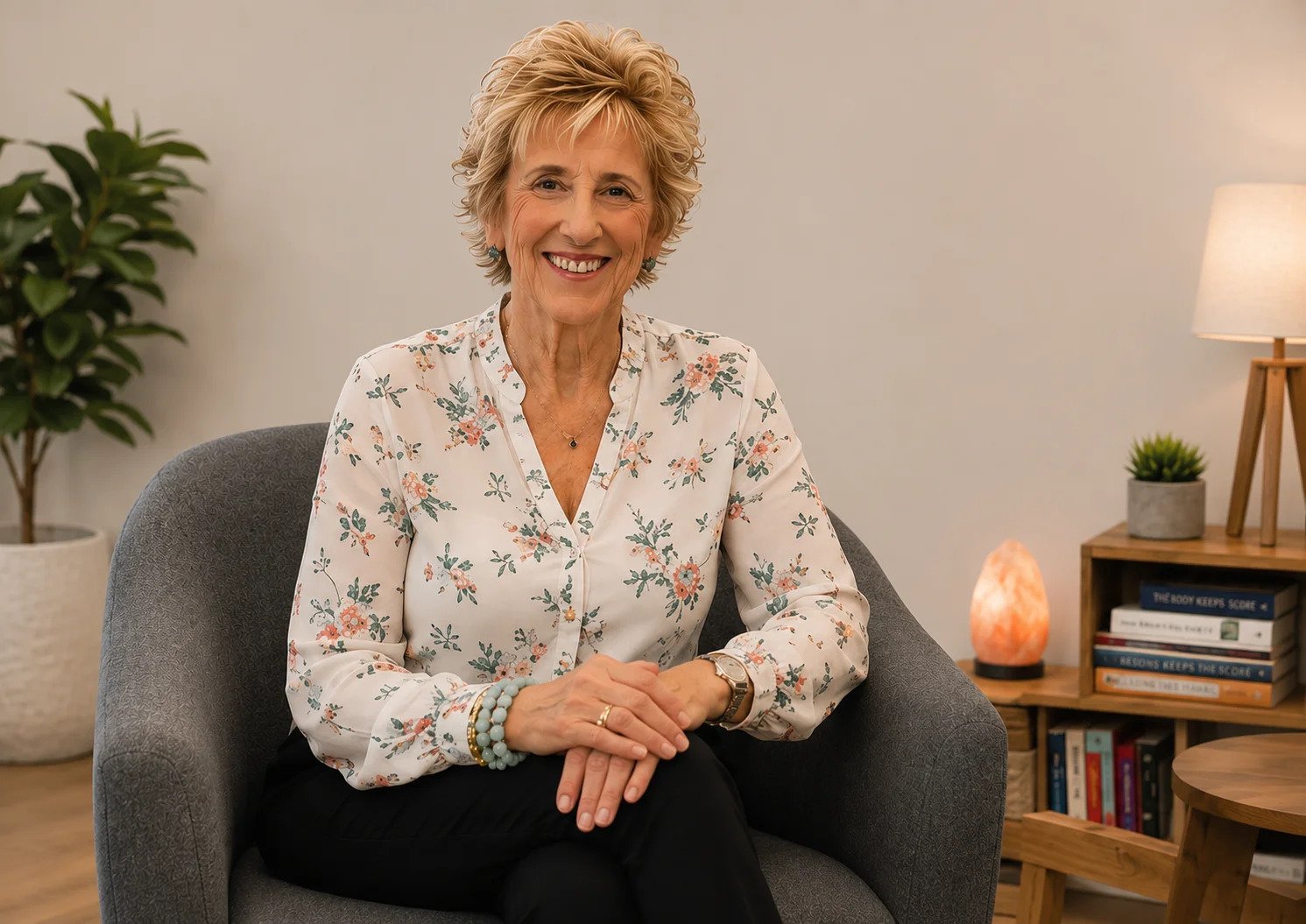
Dr. Sally Hackman, PhD, MFT, has specialized in child and adolescent development for over 35 years in Santa Monica and the greater Los Angeles area. Her PhD in Clinical Child Psychology gives her deep expertise in developmental norms and the wide range of factors biological, psychological, and environmental that can contribute to developmental lags in teenagers.

Understanding what is driving a developmental lag is essential to addressing it effectively. Therapy with Dr. Hackman begins with careful listening and assessment not labeling to understand the whole teenager and what support they actually need.

Areas Where Children Fall Behind

Speech and Language

Talking late, using fewer words than other children, or being hard to understand past the age when most children are clear. Language delays are the most common reason parents seek help, and the one where early support makes the most difference.

Motor Skills

Clumsiness, trouble with stairs, difficulty holding pencil or using scissors. These may be small on their own, but they affect confidence quickly once a child notices other children managing easily.

Social and Emotional Development

Struggling to play alongside other children, difficulty with sharing or turn-taking well past the usual age, or big reactions to small changes. Sometimes this is temperament. Sometimes it is a genuine lag.

Attention and Self-Regulation

Not settling to anything for long, difficulty following simple instructions, or a child who seems constantly on the move. In young children this is normal. The question is whether it is more extreme or lasting longer than in other children the same age.

when to worry about child development

What Dr. Hackman Does and What She Does Not

Dr. Hackman does not carry out developmental assessments. Formal evaluation is done by developmental pediatricians, psychologists, speech and language therapists, and occupational therapists, each within their own area.

What she offers is different. She works with parents to think through what they are seeing, whether it warrants assessment, and who to go to. She has worked with children and families since 1992 and holds a PhD in Clinical Child Psychology, so she can often tell you quickly whether something is likely ordinary variation or worth pursuing.

Where a lag is affecting a child emotionally frustration, withdrawal, a sense of being the one who cannot do it that part is therapy, and it is the part that is most often left unaddressed while everyone focuses on the skill itself.

She also works alongside families already in assessment or therapy elsewhere, supporting the child and parents through a process that can take a long time.

Where to Start in California

For children under three, California’s Early Start program provides free developmental evaluation through Regional Centers. For families in Santa Monica and the Westside, that is the Westside Regional Center. No referral from a doctor is needed parents can contact them directly.

For children over three, evaluation runs through the local school district, which is legally required to assess when a parent requests it in writing.

Your pediatrician is also a reasonable first call, though some are more inclined to wait than others. If you are told to wait and you remain worried, you are entitled to ask for a referral anyway.

Key Points

Expert Developmental Support for Teenagers.

Empowering Resilience

Dr. Hackman helps teenagers build the emotional regulation, social skills, and self-awareness that support healthy development working at each teen's actual level, not a fixed standard, and celebrating genuine progress at every step.

Healing Space

A completely confidential, non-judgmental space in person in Santa Monica or via Zoom where teenagers are met with genuine curiosity and warmth, never compared unfavorably to peers or made to feel deficient.

Transformative Support

Using a developmentally informed, integrative approach, Dr. Hackman works directly with the teenager while maintaining close parent consultations ensuring that home and therapeutic environments are aligned and mutually supportive.


OUR COMMITMENT TO YOU

When to Wait and When to Act

There is no single answer, but a few things make it worth asking sooner rather than later. Ask if your child has lost a skill they previously had. That is always worth checking. Ask if more than one area is affected speech and motor skills, or
social and attention. Ask if your child seems frustrated or upset by the difficulty, or has started to avoid things because of it. Ask if a teacher or childcare worker has raised it. They see many children the same age, and their sense of what is typical is worth taking seriously.

If none of those apply and the lag is small, waiting a few months and
watching is a reasonable choice. But ask anyway if it is on your mind.
Nobody has ever been harmed by a conversation.

0 +

Years of Adolescent Development Experience

0

Serving Santa Monica Continuously

0 %

Confidential — Always

0 $

First Session Free If You Don't Return

when to worry about child development

Still Have a Question?

Don't hesitate to ask us.

Book a Santa Monica Therapist Appointment | Sally Hackman PhD, MFT
FAQ

Common Questions

No. Formal developmental assessment is carried out by developmental pediatricians, psychologists, speech and language therapists and occupational therapists. Dr. Hackman can help you decide whether assessment is worth pursuing, point you to the right professional, and support your child and family through the process.

Sometimes that is right, particularly with a small lag in one area in a very young child. But if you are still worried after a few months, if more than one area is affected, or if your child has lost a skill they had, it is reasonable to ask for a referral regardless. You can also contact your Regional Center directly for children under three, without a doctor's referral.

No. A lag describes timing a skill arriving later than expected. Autism and ADHD are specific diagnoses with their own criteria. Some children with developmental lags are later diagnosed with one of them; many are not. Only a proper assessment can distinguish the two.

Many children do, particularly with mild lags in a single area. Others do better with support. There is no reliable way to tell which is which from the outside, which is why assessment matters when the lag is significant or persistent.