
About Child Psychotherapy
Child Therapy in Santa Monica & Los Angeles
Children often express their emotional struggles through behavior rather than words. A child who is anxious may cling or act out. A child who is grieving may withdraw or regress. A child facing social difficulty may come home from school in tears or refuse to go at all. Understanding what lies beneath a child’s behavior is the first step to helping.
Children in therapy show their struggles through play, art, behaviour and sometimes words. The therapist is trained to understand what’s being expressed and to give the child words for what they struggle with, Dr. Hackman offers them a healthier,more accurate way to understand what happens in the world around them.
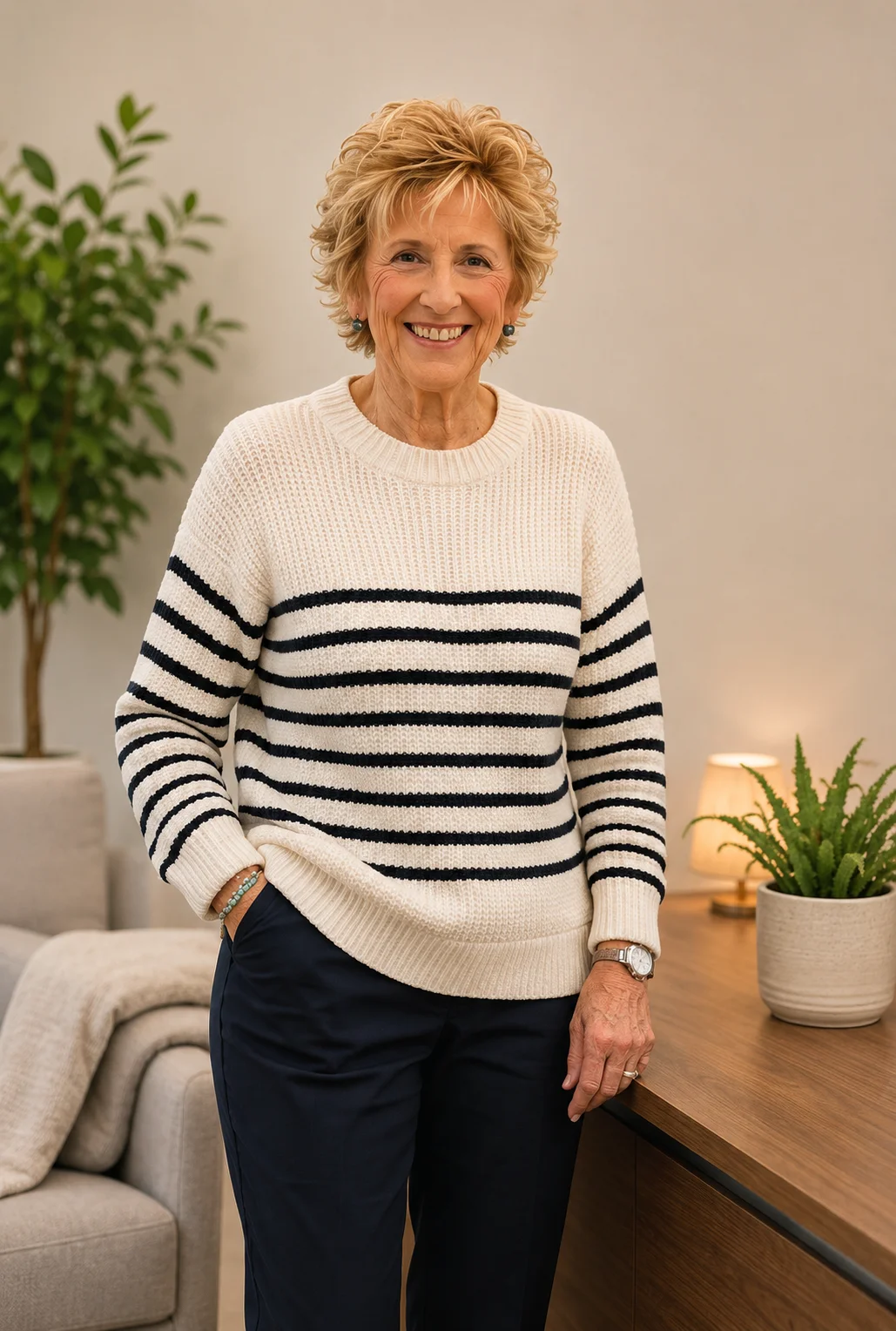
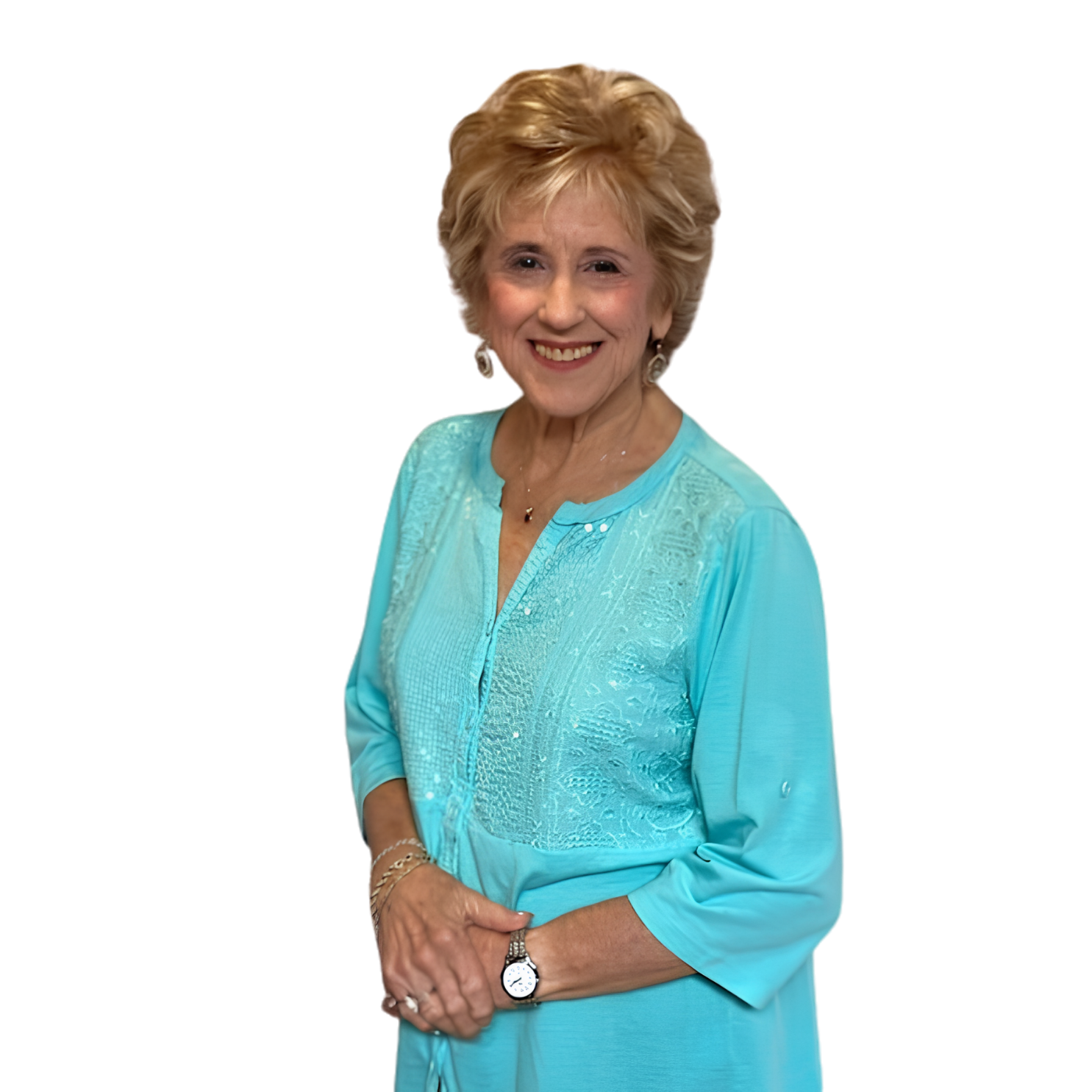
Dr. Sally Hackman, PhD, MFT, has been providing specialized child psychotherapy in Santa Monica and the greater Los Angeles area since 1992. With a PhD in Clinical Child Psychology and over 35 years of experience working with children across a wide range of challenges, she is deeply skilled at building the trust with children that makes therapy genuinely effective.
Child therapy always includes a parent consultation component Dr. Hackman keeps parents informed and involved throughout, while maintaining the confidential therapeutic relationship with the child that the work requires.
Specialized Care for Your Child.
How Therapy With a Child Actually Works
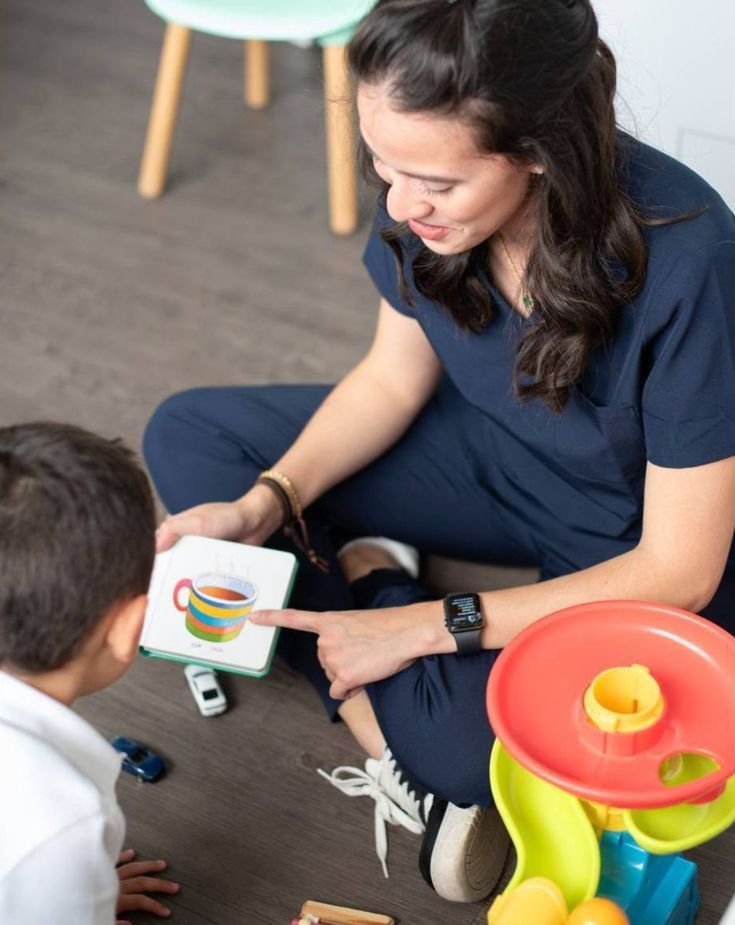
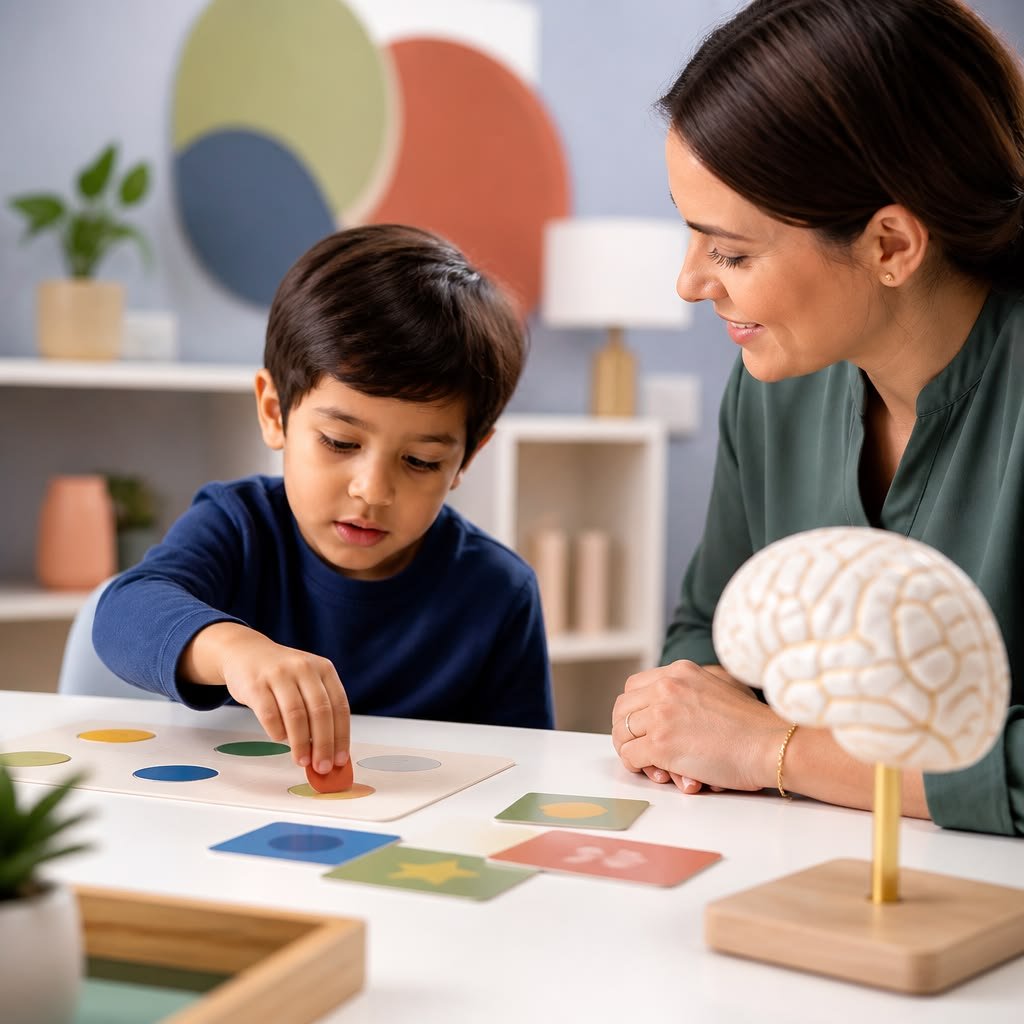
Adults talk about their difficulties. Children play them. A child who cannot describe what happens at home will build it out of figures on the floor. One who cannot say they are frightened will draw it. This is not a way of passing time until the real work starts it is the work, and for younger children it is the only reliable route in. Dr. Hackman watches what a child chooses, what they repeat, and what they avoid, and puts words to it gradually, at a pace the child can take.
What the First Few Sessions Look Like
The first meeting is usually with parents alone. That is where the history lives, and where you can speak freely without your child listening. After that Dr. Hackman meets your child, often two or three times, before anyone commits to anything. Early sessions are mostly about whether the room feels safe. Children are quick to sense whether an adult is genuinely interested or assessing them, and very little useful happens until they have decided.
OUR COMMITMENT
Your Child's Wellbeing Is My Priority.
The emotional foundations built in childhood shape adult mental health profoundly. Early intervention for anxiety, depression, social difficulties, and behavioral challenges can make an enormous difference in a child’s development and lifelong wellbeing.
Dr. Hackman’s background includes working at the Thalians Community Mental Health Center, the Kennedy Child Study Center, and various school and community settings giving her a broad, deep grounding in child development and mental health.
0
+
Years of Licensed Practice
0
Serving Santa Monica & Los Angeles
0
%
Strictly Confidential
0
$
First Session Free If You Don't Return

Key Points
What Child Psychotherapy Can Help With

Empowering Resilience
Help your child build the emotional vocabulary, coping skills, and inner strength to navigate life's challenges with benefits that last a lifetime.

A Healing Space
Dr. Hackman creates a warm, child-friendly therapeutic environment in person in Santa Monica where children feel safe, understood, and free to express themselves.

Transformative Support
From anxiety and depression to social difficulties, school problems, and the impact of family change Dr. Hackman provides expert, developmentally appropriate support across the full range of childhood challenges.
What Dr. Hackman Works With
Children come for many reasons, and the presenting problem is often not the real one. Common ones include anxiety and worry that will not settle, low mood and withdrawal, fears and separation difficulties, sleep problems, anger and behaviour that has become hard to manage, friendship difficulties, school refusal, and the effects of divorce, illness or the loss of someone close. Some children arrive with a clear difficulty. Others arrive because something has changed and nobody can say quite what.
Where Parents Fit In
With children, parents are part of the work rather than observers of it. Dr. Hackman meets with parents regularly separately from the child to understand what is happening at home and to give guidance on responding. Much of what changes for a child happens between sessions, in the way a parent handles a difficult morning or a refused request. What she does not do is report back on session content. Even young children notice when what they say travels home, and once they do, they stop saying much. Many parents find these separate sessions as useful as the therapy itself.
How to Talk to Your Child About Starting
Most parents worry about this conversation more than any other part. Keep it simple and true. Something like: you are going to meet someone whose job is to help children with worries, and you can play there and talk if you want to. Children do not need the word therapy explained to them.
Avoid framing it as a consequence or a fix. A child who believes they are being sent somewhere because they are the problem will arrive defended. And do not promise they only have to go once if that is not what you mean. Children remember .
When to Get Help Sooner
Some situations are worth acting on without waiting to see whether they pass. Speak to someone promptly if a change has lasted more than a few weeks, if your child has lost skills or confidence they previously had, if they are avoiding school or friends, if their eating or sleeping has changed noticeably, or if they have said anything that worries you about hurting themselves. If you are concerned about your child’s immediate safety, contact your pediatrician, or call or text 988 the Suicide and Crisis Lifeline rather than waiting for an appointment.

FAQ
Common Questions About Child Therapy
Signs that a child may benefit from therapy include persistent anxiety, sadness, or mood changes; behavioral problems at home or school; withdrawal from friends or activities; sleep, difficulties issues with eating, potty training, tautrums, event, and any behavior that seems markedly out of character or is getting worse over time.
Dr. Hackman provides regular parent consultation sessions — separate from the child's therapy sessions — to keep parents informed, answer questions, and discuss how to support the work at home.
Yes. Dr. Hackman is experienced in working with children who have difficulty expressing themselves verbally. Most children don't talk about their feeling and struggles. They play them out express them through art or act them out behaviorly. She uses play, art, and other child-appropriate approaches that allow children to communicate in the ways that are natural for them.
Dr. Hackman works with children from early childhood onward. The approach adapts significantly for different age groups with pre-schoolers even as young as two years, the parents may also need in the sessions. Sometimes Dr. Hackman starts with the parents, helping them help their child. If that dosn't work well enough, she will do a personal assessment of the child to determine if therapy is needed. If you have a concern about a young child, a parent consultation is often the right starting point.